Donghee Zheng: “Gwangju and Jamsil” from Top-Down and Bottom-Up Perspectives
1986년 3월 제가 대학 1학년이 되어서 기숙사 가동에 배정받았는데, 상대적으로 노후화된 기숙사라서 4명이 쓰는 방이었습니다. 제가 심리학과 1학년, 조선공학과 1학년, 공업화학과 1학년 그리고 경제학과 4학년이 사용했고 한 학기 지나고 여름 방학 동안 그 방을 쪼개어 문을 따로 내면서 2인실로 바뀌었는데, 그러면서 심리학과 1학년 제가 경제학과 4학년과 같이 방을 사용했습니다.
이 형은 전남 무안 갯벌 마을에서 태어나서 학교 근처에서 다니다가 경제학과 입학했고 당시 학비보조가 되는 ROTC과정 밟았는데, 결과적으로 이 형과 많은 이야기를 했고 그 중의 하나는 광주 이야기였습니다.
그리고 제가 1학년 때 학생운동하는 2학년 과 선배들이 주도한 학회에서 조금 있었는데, 그 때 필독해야 될 책이 광주 이야기 책이었습니다.
시간이 많이 흘러서 제가 굉장히 정치 이야기를 많이 하는 소위 경제서적 작가인데, 때로는 매우 이야기하기 어려운 주제에 대해 직설적으로 잘 하는 스타일인데, 제가 이야기를 안하는 주제가 있는데 ‘광주 이야기’입니다.
제가 마침 그 당시 대학교 1학년 여름방학 때, 대구 삼덕교회 대학부에서 주관하는 제주도 농활을 갔다왔는데, 갈 때는 대구에서 비둘기 열차타고 부산역에 내려서 아리랑호 3등석 타고 14시간 가량 밤 새워 제주항에 도착하여 농활 3일 하고 하루 한라산 올라가고 돌아올 때 안성호 배 3등실 타고 아마도 11시간 걸려 목포에서 내려 광주까지 버스 타고 광주에서 대구로 고속버스 타고 왔는데 그 때 금난로 가봤습니다.
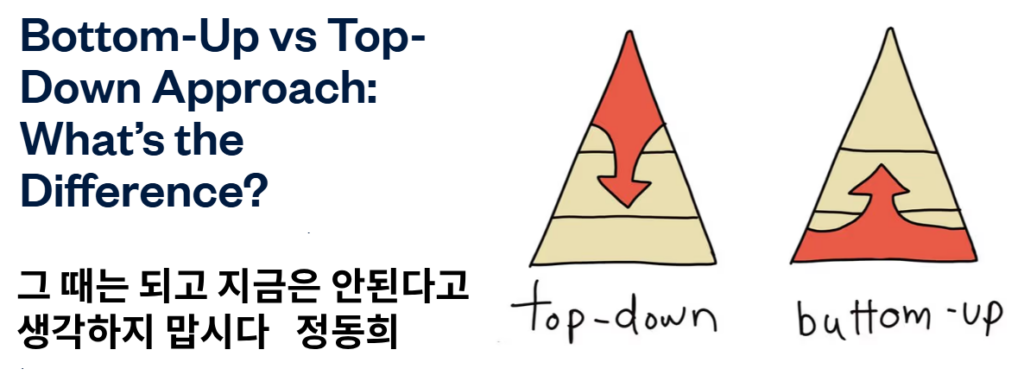
제가 오늘 광주이야기를 해 보는 것은 저의 오랜 고찰과 생각 끝에 ‘탑다운’ 유형이라는 결론에 도달했기 때문입니다. 시대는 박정희 대통령 피살로 어쨋거나 정치적 측면에서 시대가 바뀌나 했는데 전두환 사령관이 나타났고, 이에 대하여 절차에 의한 바텀업보다는 저항정신에 의한 탑다운 접근이었다고 저는 해석합니다. 전두환도 절차에 의한 바텀업이 아니었고 탑다운이었기 때문에 광주도 같은 맥락에서 절차에 의한 바텀업이 아니라 탑다운 접근이었다고 저는 오랜 생각 끝에 정리한 내용입니다.
제가 7월16일 동대문구청 공무원들의 갑질에 학을 떼고 다니던 회사를 그만 두고 근 1달 가까이 지내면서 특히 주말 낀 금토일에는 잠실 올림픽공원 시위대 소리를 빠짐없이 듣는 위치에 있습니다.
오늘도 저녁에 이 시위대 리더의 목이 쉰 구호제창을 들으면서, 저는 이 또한 탑다운 접근이라고 오늘 정리했습니다.
선거시스템을 주관하는 중앙선거관리위원회 등이 탑다운 접근이라고 정의한다면, 이 시위대 또한 같은 맥락이고, 이런 차원에서 ‘그 때는 탑다운되고 지금은 탑다운 안된다’는 식의 일방적인 생각은 시대착오라고 봅니다.
이제 이 시대는 말로 해서 잘 안먹히는 시대가 되어서 저도 피해를 많이 보았습니다.
그 예가 저의 처절한 2024년부터 2025년까지 이어진 호주 정부에 거꾸로 당한 호주 공익신고자로서의 말로가 되겠습니다. 제가 자세히 썼는데 이 글이 너무 샛길로 가기 때문에 이 글에서 생략하는 제가 당한 10가지 상황은 당연히 호주 정부가 처음부터 모든 걸 알려주면 애초부터 아니면 중도라도 포기하는데, 이것만 내면 절대적으로 마지막 비용 납부라는 식으로 거짓 약속을 정부가 사기꾼이 하는 방식대로 하면서 결국 제가 완전히 파산한 정도를 넘어 간 실제 사례가 되겠습니다.
사랑하는 대한민국 국민 여러분,
내일(글 쓰다 보니 오늘)이 광복절입니다. 이 또한 탑다운 접근으로 만들어진 날이 되겠습니다.
그러므로 제가 긴 생각 끝에 광주 이야기를 탑다운으로 요약하듯이, 사랑하는 여러분께서도 이 시대 잠실에 모인 청년들의 이야기를 소중하게 여겨주시기를 부탁드립니다.
감사합니다.
정동희 올림
PS. 참 이 글에
나오는 기숙사 형은 저의 중매로 저의 이종사촌누나와 결혼했습니다
Reflections by Donghee Zheng: “Gwangju and Jamsil” from Top-Down and Bottom-Up Perspectives
In March 1986, during my freshman year of college, I was assigned to Building A of the dormitories. It was a relatively aged facility, so four students shared one room. The room was shared by a 1st-year Psychology major (myself), a 1st-year Naval Architecture major, a 1st-year Industrial Chemistry major, and a 4th-year Economics major.
After one semester, during the summer break, the room was partitioned with a new separate door to turn it into a two-person room. Through this change, I—a 1st-year Psychology major—ended up rooming with the 4th-year Economics major.
This senior was born in a tidal flat village in Muan, South Jeolla Province. He attended schools near his hometown before entering the Department of Economics, and at the time, he was enrolled in the ROTC program to receive tuition assistance. As a result, I had many conversations with him, one of which was about Gwangju.
Additionally, during my freshman year, I spent some time in an academic study group led by sophomore student activists, where the required reading was a book about the Gwangju uprising.
Decades have passed, and today I am an economic author who frequently discusses political matters. My style is to address even the most sensitive topics directly and candidly. Yet, there is one subject I have refrained from speaking about: the story of Gwangju.
During the summer break of my freshman year, I participated in a rural volunteer trip (nonghwal) organized by the university ministry of Samdeok Church in Daegu. To get there, we took the slow Bidgeul train from Daegu, got off at Busan Station, and boarded the 3rd-class section of the Arirang ferry, traveling overnight for about 14 hours to reach Jeju Port. After three days of volunteer work and a one-day hike up Mount Halla, we returned by taking the 3rd-class section of the Anseong ferry—an 11-hour ride—disembarking at Mokpo. From there, we took a bus to Gwangju, and finally an intercity express bus from Gwangju back to Daegu. It was during that trip that I visited Geumnam-ro in Gwangju.
The reason I am speaking about Gwangju today is that, after long reflection and deliberation, I have arrived at the conclusion that it was a “top-down” phenomenon.
At that time, following the assassination of President Park Chung-hee, it seemed the political era was changing. However, Commander Chun Doo-hwan emerged. In response, rather than a procedural bottom-up approach, it was a top-down approach driven by a spirit of resistance. Because Chun Doo-hwan’s rise was not a procedural bottom-up process but a top-down one, I have concluded after years of thought that Gwangju, in the same context, was also a top-down approach rather than a procedural bottom-up one.
On July 16, appalled by the power abuse (gapjil) of officials at the Dongdaemun-gu District Office, I quit my job. For nearly a month now, especially on Fridays, Saturdays, and Sundays, I have been living in a location where I can hear every sound from the protesters at Jamsil Olympic Park.
Tonight, as I listened to the hoarse voice of the protest leader shouting slogans, I came to the conclusion that this, too, is a top-down approach.
If institutions like the National Election Commission—which oversee the electoral system—are defined as employing a top-down approach, then these protesters operate in the exact same context. From this perspective, the one-sided thinking that “top-down was valid back then, but top-down is invalid now” is an anachronism.
We have entered an era where reasonable dialogue no longer works, and I have personally suffered immensely because of this.
A stark example is my tragic end as an Australian public interest whistleblower from 2024 to 2025, where I was severely betrayed by the Australian government. I have written about this in detail elsewhere, but to keep this essay from veering off-topic, I will omit the 10 specific situations I endured. In short, if the Australian government had been transparent from the beginning or even midway through, I would have given up early on. Instead, they repeatedly made false promises—using the very tactics scammers use—claiming that paying “just one last fee” would settle everything. In the end, this real-life ordeal drove me far beyond complete bankruptcy.
My beloved fellow citizens of the Republic of Korea,
Tomorrow (or well, today, as I’ve been writing this) is National Liberation Day. This day, too, was born out of a top-down process.
Therefore, just as I have summarized the story of Gwangju as a top-down phenomenon after long reflection, I sincerely ask all of you, my beloved citizens, to cherish the voices of the young people gathered in Jamsil today.
Thank you.
Sincerely,
Donghee Zheng
P.S. By the way, the older guy from my dorm mentioned in this story ended up marrying my cousin after I set them up.
- BIGBANG3.com Compassl.com
- Ddecree.com DDparadigm.com http://dbigtent.com Darunlab.com 2BIGBANG.com
- #AnthonyNormanAlbanese
- #MarkDreyfus
- #MichelleRowland
- #AnthonyAlbanese
- #JimChalmers
- #Anthony Norman Albanese
- #Mark Dreyfus
- #Michelle Rowland
- #Anthony Albanese
- #Jim Chalmers
- BIGBANG3.com
- Ddecree.com DDparadigm.com http://dbigtent.com Darunlab.com 2BIGBANG.com https://compassl.com
- #AnthonyNormanAlbanese
- #MarkDreyfus
- #MichelleRowland
- #AnthonyAlbanese
- #JimChalmers
- #Anthony Norman Albanese
- #Mark Dreyfus
- #Michelle Rowland
- #Anthony Albanese
- #Jim Chalmers
Leave a Reply